

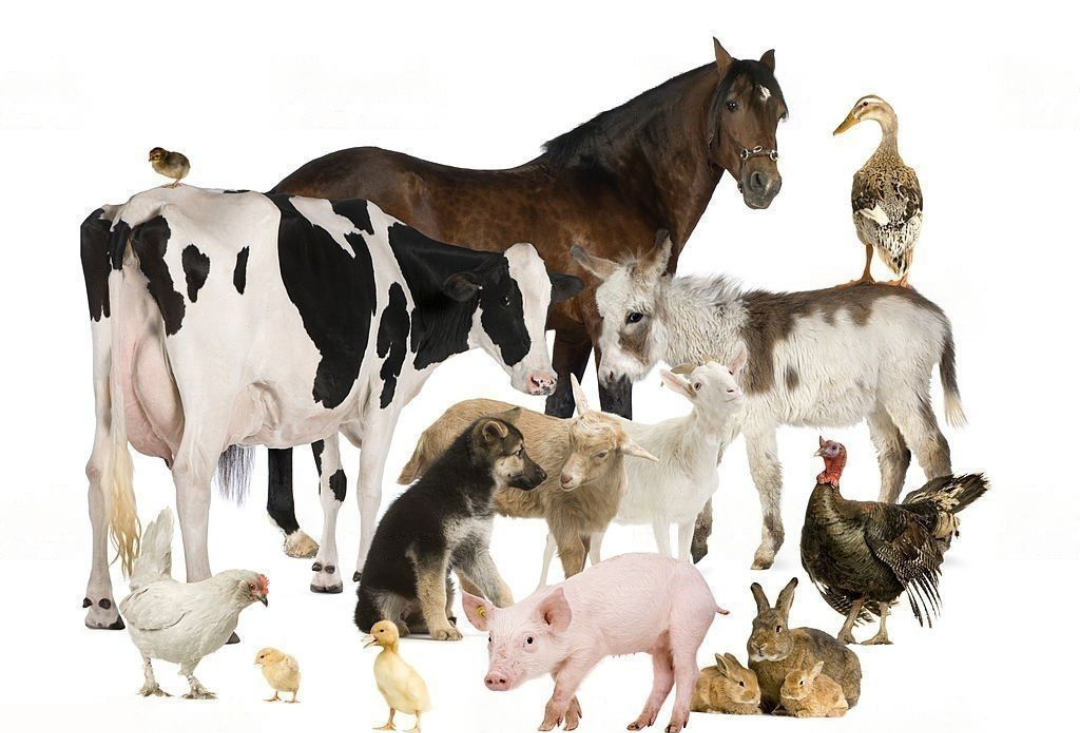

Domestication is the process of adapting wild plants and animals for human use. Domestic species are utilized for various purposes such as food, labor, clothing, medicine, and more. These plants and animals are dependent on human care and management, and the domestication of animals is achieved through selective breeding. In general, domestic animals possess the following characteristics:
i. Genetic characteristics that make the species more amenable to human interaction than their wild ancestors.
ii. The survival and reproduction of the species rely on human support.
iii. Interbreeding with wild relatives is rare or impossible.
iv. Physical signs of domestication such as smaller skull size, drooping ears, or varied coat patterns, which are symptoms of the domestication syndrome.
History of the domesticated animals.
Dogs were among the earliest animals to be domesticated by humans, and soon after, animals such as sheep, cows, and pigs followed suit. This period of domestication coincided with the transition of human society from a nomadic hunting and gathering lifestyle to a settled agricultural way of life.
Dogs: from 20000 – 12000 years ago:
The oldest recorded evidence of a domesticated dog is a jawbone discovered in a cave in Iraq, dating back to approximately 12,000 years ago. This specimen displays characteristics of domestication, specifically a smaller jaw and teeth, which sets it apart from a wild wolf.

Sheep and goats, cattle, and pigs: 9000-7000 BC:
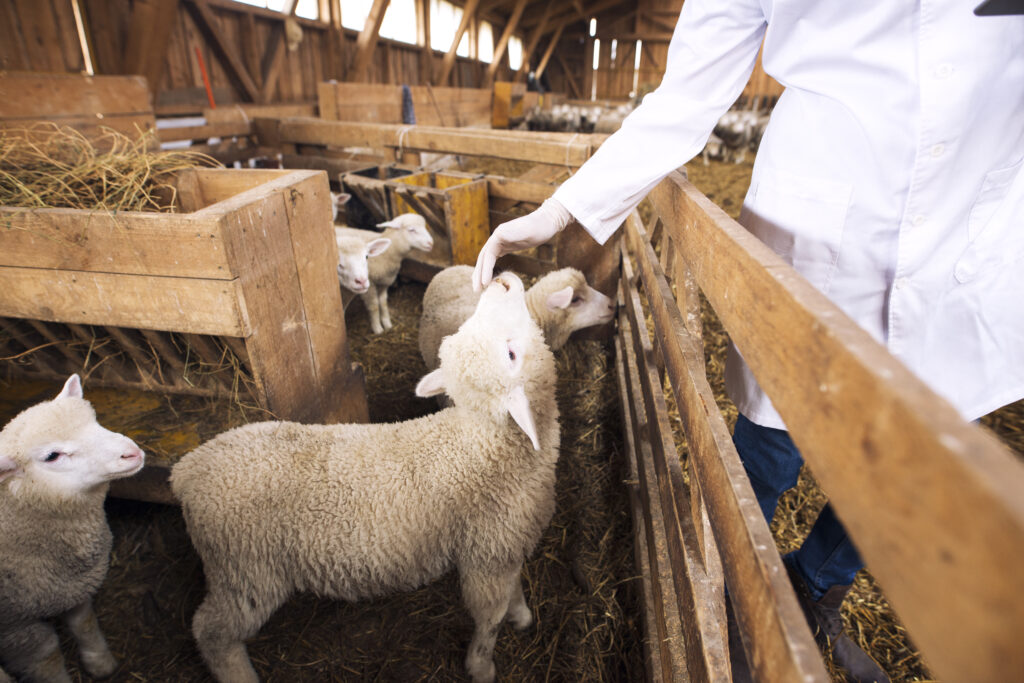
Historical evidence suggests that sheep were among the first animals to be domesticated for food in the Middle East. This is evidenced by the high quantity of bones from one-year-old sheep found at the Shanidar settlement, located in present-day northern Iraq.
Draught animals: from 6000 – 4000 BC:
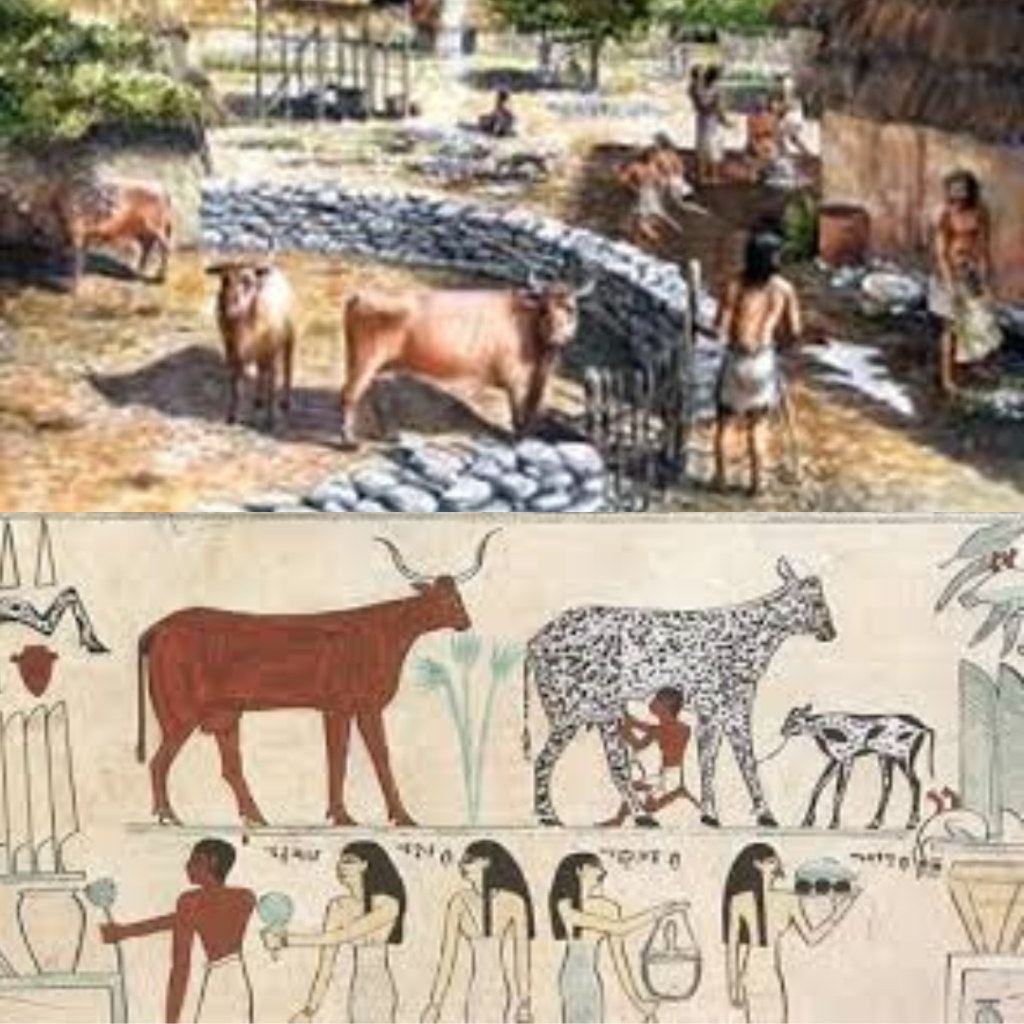
The domestication of cattle marked a significant advancement in the development of human settlements. The cow not only yields an abundance of milk but also oxen provides significant strength, which greatly enhances human labor.
Cats: from before 4000 – 3000 BC:
Cats are the only domesticated animal that lives exclusively indoors with humans. Due to their solitary nature in the wild, as opposed to living in groups, cats have been able to form a unique relationship with humans where they receive food, shelter, and play in exchange for pest control without losing their wild identity.

Horses: from 3500 – 3000 BC:
Around 3000 BC, the domestication of horses marked a significant advancement for humanity as it became a crucial ally. Horses revolutionized warfare by being used in chariots and as cavalry. Although their role in the industry has been replaced by machines, they continue to hold a place in sports.

Animals are sentient beings and should be treated with the same respect and compassion as humans. Animal abuse not only harms animals, but it also has a negative impact on our society as a whole. Show love and kindness towards animals.



0 Comments