



Personal hygiene for children and students is a very important aspect of maintaining good health and well-being. It helps to prevent the spread of diseases and infections, as well as reduce the risk of developing illnesses. It is essential to educate children and young people on the importance of personal hygiene and to instill good habits in them at a young age. By doing this, we can help to create a healthier and more hygienic society for everyone. It is vital for children and students to maintain good personal hygiene to stay clean, healthy, and protected from germs and illnesses.
Here are some suggestions on how to educate children and students on the importance of personal hygiene:
1. Keeping your child’s hands clean:
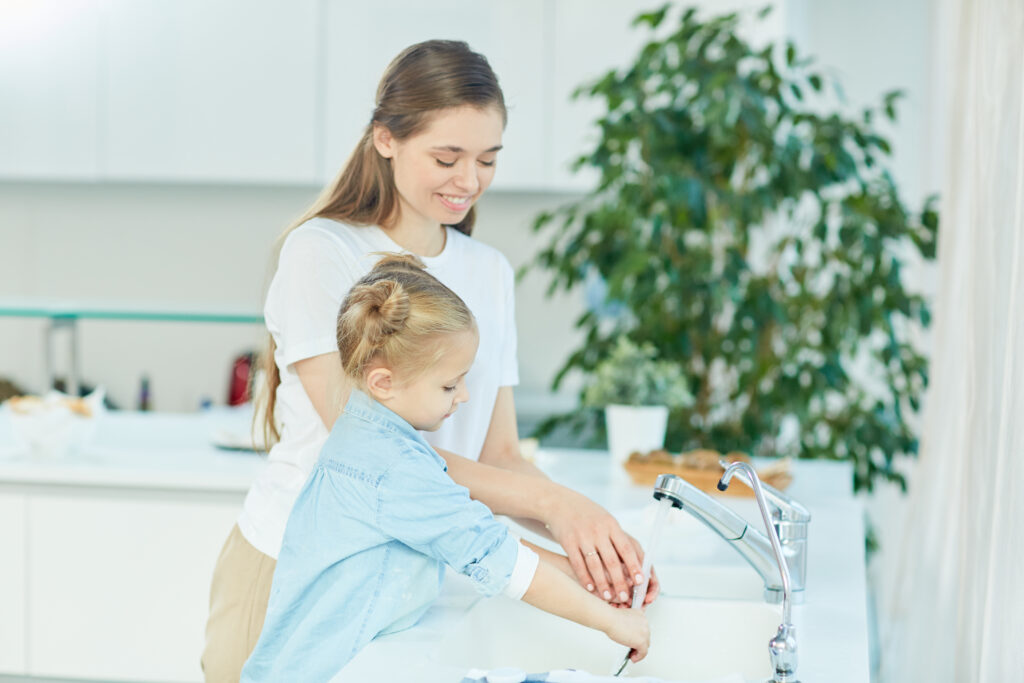
Keeping your child’s hands clean is an essential aspect of maintaining good hygiene and preventing the spread of germs and illnesses. Here are some steps to help you and your child keep their hands clean:
- Teach hand washing: Teach your child the correct way to wash their hands, emphasizing the need to wash thoroughly for at least 20 seconds, especially after using the bathroom, playing outside, or before eating.
- Make hand washing fun: Encourage your child to enjoy hand washing by letting them pick their favorite soap or singing songs while they wash.
- Encourage hand sanitizer use: Keep hand sanitizer available for your child to use when soap and water are not available. Teach them to use hand sanitizer correctly and explain the benefits of using it.
- Practice good hand hygiene: Regularly remind your child of the importance of good hand hygiene and encourage them to practice it regularly.
2. A healthy diet is crucial for children’s:
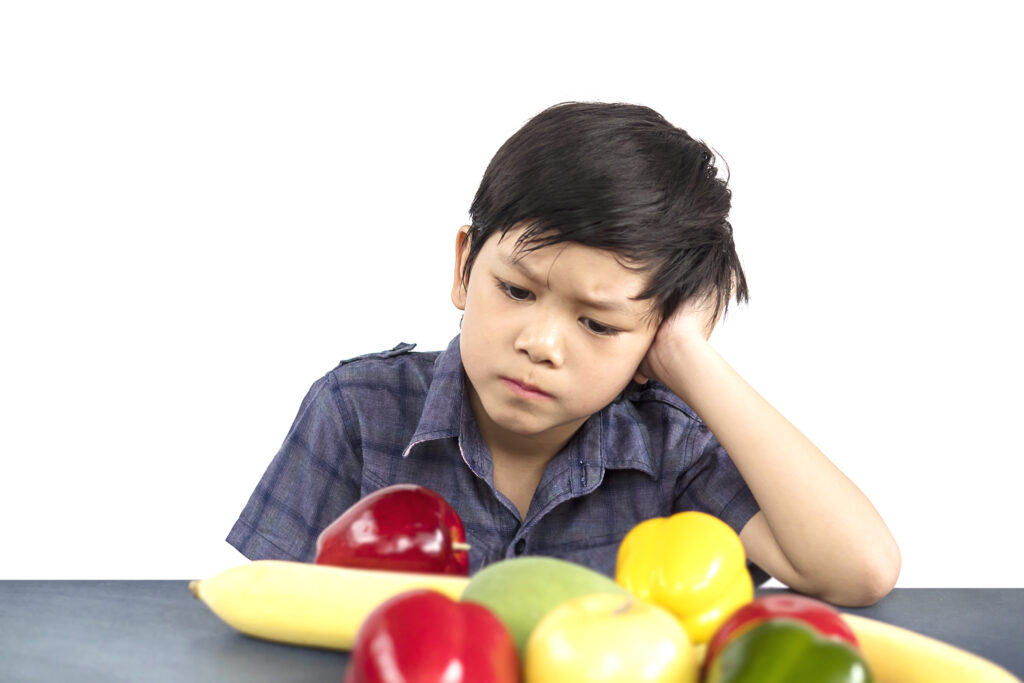
A healthy diet is vital for children’s overall health and well-being. By including a variety of foods from different food groups, children can receive the essential nutrients they need for growth and development. Encouraging children to eat a healthy diet from an early age can set them up for a lifetime of good health. Here are some reasons why it is important.
- Supports physical growth: A well-balanced diet provides essential nutrients that children need for physical growth and development. This includes vitamins, minerals, and protein, which are essential for building strong bones and muscles.
- Improves brain function: The right nutrients from a healthy diet can help improve children’s cognitive function and brain development, increasing their ability to concentrate, learn, and remember.
- Boosts energy levels: Eating a healthy diet can provide children with more energy, allowing them to be more active and participate in physical activities.
- Supports healthy weight: A balanced diet can help children maintain a healthy weight, reducing the risk of obesity and related health problems.
- Improves mood: Eating a healthy diet can improve children’s mood, reducing the risk of depression and anxiety.
- Supports immune system: A healthy diet can strengthen children’s immune systems, helping them to fight off illness and infection more effectively.
3. Teach them to cover his or her nose while coughing or sneezing:
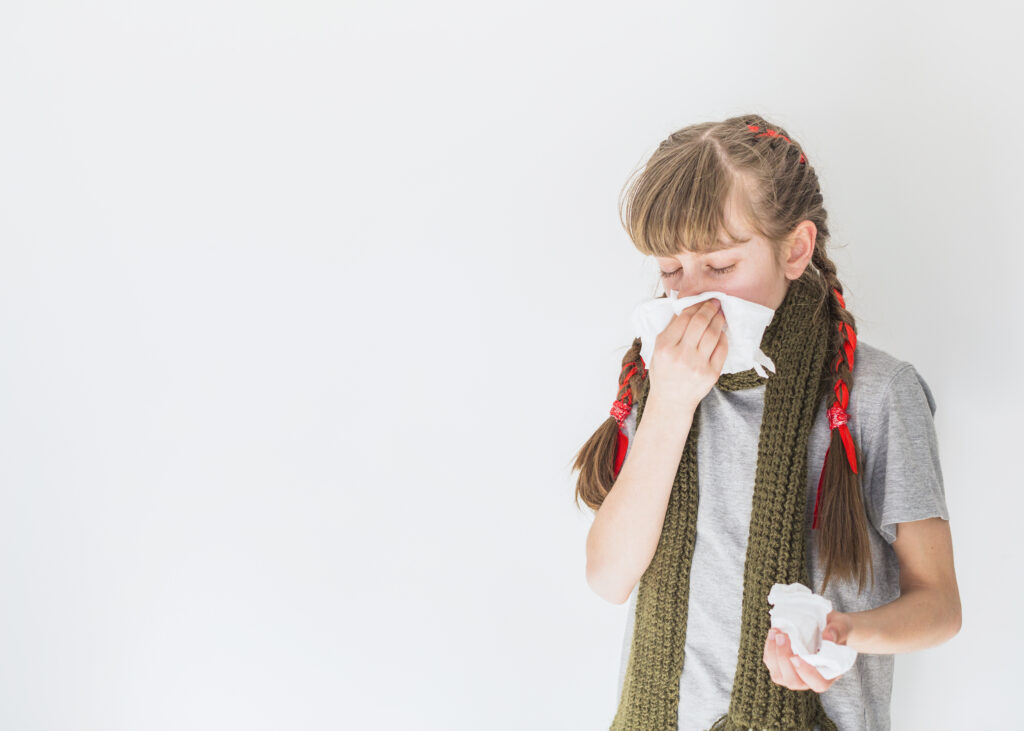
Teaching your child to cover her nose and mouth while coughing or sneezing is an essential part of promoting good hygiene and reducing the spread of germs. By making it a habit and reinforcing the behavior, you can help your child stay healthy and protect others from getting sick. Here are some tips for teaching this important habit.
- Lead by example: Children often learn by imitation, so it’s essential to model the behavior yourself. Show your child how to cover her nose and mouth with the inside of her elbow or a tissue.
- Explain why it’s important: Explain to your child why covering her nose and mouth while coughing or sneezing is important. Explain that it helps to prevent the spread of germs, which can make people sick.
- Make it a habit: Encourage your child to make covering her nose and mouth while coughing or sneezing a habit. Remind her each time she coughs or sneezes, and praise her when she covers her nose and mouth correctly.
- Use props: Consider using props, such as stuffed animals or dolls, to demonstrate the correct technique for covering the nose and mouth.
- Reinforce the behavior: Reinforce the behavior by praising your child each time she covers her nose and mouth while coughing or sneezing.
4. Make sure your child’s and student’s fingernails are clean:
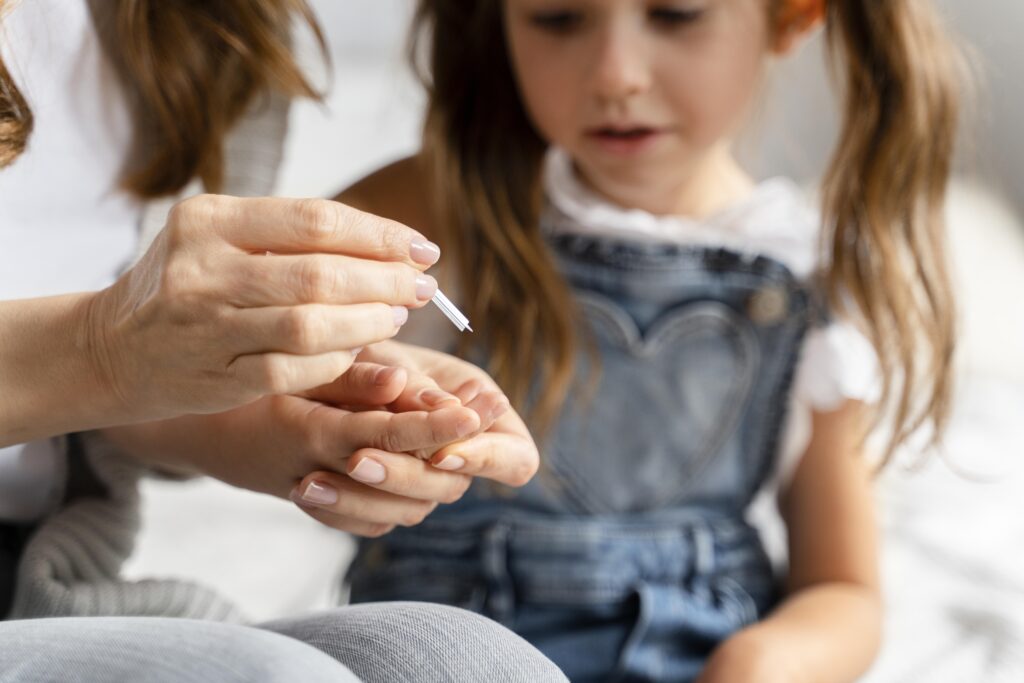
Keeping fingernails clean is an important aspect of personal hygiene for children and students. Clean fingernails can help prevent the spread of germs and reduce the risk of infection. Here are some tips for ensuring that your child’s fingernails are clean.
- Encourage frequent hand washing: Encourage your child to wash their hands frequently, especially after playing outside or using the bathroom. This will help remove any dirt or grime from their nails.
- Teach proper nail-cutting techniques: Teach your child to use proper nail-cutting techniques, such as cutting nails straight across and avoiding biting their nails. This can help prevent the accumulation of dirt and bacteria under their nails.
- Provide tools for cleaning: Make sure your child has the tools they need to clean their nails, such as a nail brush or scrubber. Encourage them to use these tools to remove any dirt or grime from their nails.
- Lead by example: Children often learn by imitation, so it’s essential to model clean nail habits yourself. Show your child how to properly clean their nails and make sure to clean your own nails regularly.
- Reinforce the behavior: Reinforce the behavior by praising your child each time they keep their nails clean.
5. Maintaining Good Oral Hygiene:
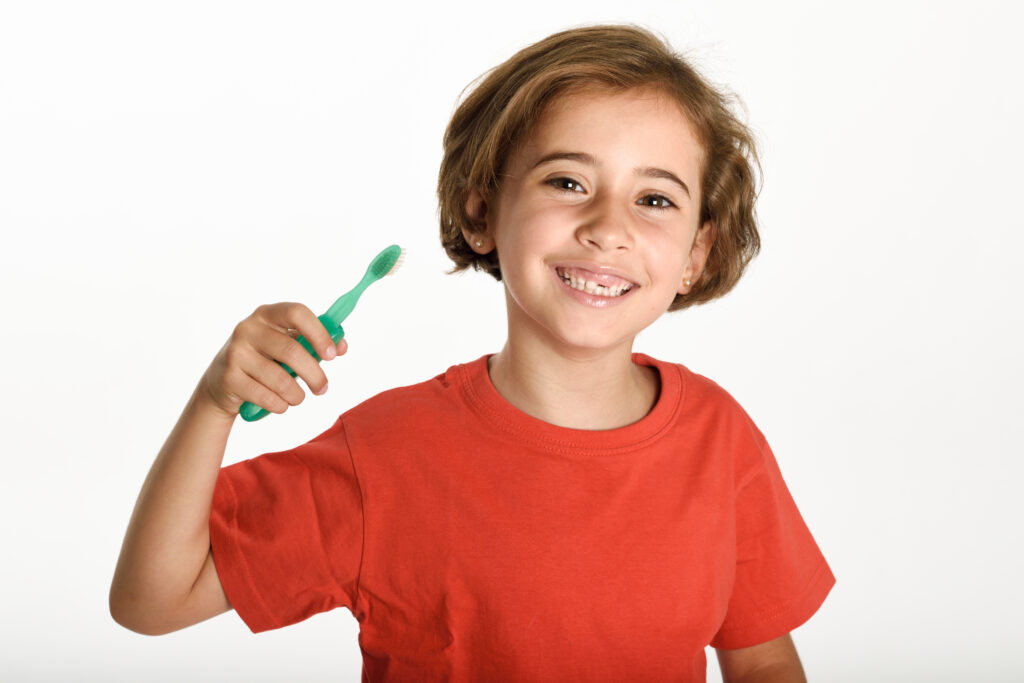
Maintaining good oral hygiene is essential for keeping your teeth and gums healthy. Regular brushing and flossing, as well as visiting the dentist regularly, can help prevent a variety of dental problems, including tooth decay, gum disease, and bad breath. Here are some tips for maintaining good oral hygiene.
- Brush twice a day: Brush your teeth at least twice a day, in the morning and before bed, with fluoride toothpaste. Brush for two minutes each time and make sure to reach all parts of your mouth, including the back of your teeth and your tongue.
- Floss daily: Flossing once a day helps remove plaque and food particles from between your teeth, where your toothbrush can’t reach. This helps prevent tooth decay and gum diseases.
- Use mouthwash: Mouthwash helps kill germs and freshen your breath. Choose an antiseptic mouthwash to kill germs and freshen your breath, or use a fluoride mouthwash to help prevent tooth decay.
- Visit the dentist regularly: Visit the dentist at least twice a year for a cleaning and check-up. The dentist will be able to spot any problems early and help you keep your teeth and gums healthy.
6. Practicing Good Hygiene: Bathing and Wearing Clean Clothes:
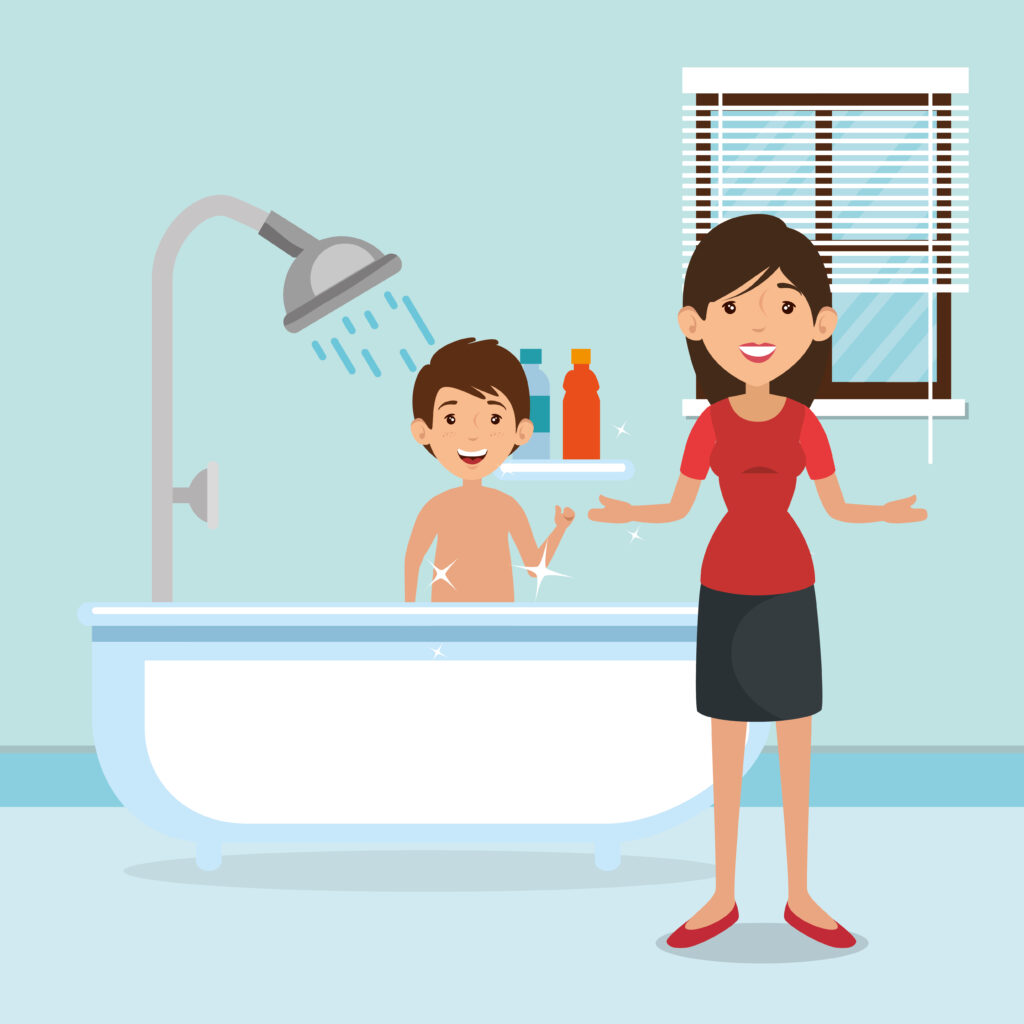
Practicing good hygiene is a fundamental aspect of maintaining good health. Bathing regularly and wearing clean clothes is an essential parts of this practice. Here are some reasons why bathing and wearing clean clothes are important.
- Removes dirt and germs: Bathing removes dirt, sweat, and germs from the body, leaving you feeling fresh and clean. Wearing clean clothes helps prevent the accumulation of dirt and germs on your skin, which can cause infections and skin problems.
- Improves mental health: A clean body and fresh clothes can improve your mood and self-esteem. It can help you feel more confident and boost your overall mental health.
- Prevents odors: Regular bathing and wearing clean clothes help prevent unpleasant body odor, which can be embarrassing and uncomfortable.
- Good impression: Wearing clean and well-maintained clothes can make a good impression on others and improve your social interactions.
- Helps keep skin healthy: Regular bathing helps remove dead skin cells, keeping your skin looking fresh and healthy. Wearing clean clothes that are appropriate for the weather and your skin type can also help prevent skin problems.
Good personal hygiene is crucial for maintaining good health. To lower the chances of infection and enhance your health and wellness, make hygiene a regular part of your daily routine. It is also essential to educate and guide children on the importance of keeping themselves clean and hygienic.


0 Comments