



Reading is one of the most important parts of formal education, so preschoolers are taught how to read as soon as they enter school. Reading is fundamental to a child’s development, allowing them to develop their creativity, imagination, and self-confidence.
Teaching a child to read begins at birth with the reinforcement of pre-literacy skills. Nonetheless, most kids will officially learn to read between the ages of 5 and 7. The Process of learning to read is most often overlooked until a parent decides to start teaching their own children.
Here are 5 simple steps to teach your child to read at home:
1. Use songs and nursery rhymes to build phonemic awareness:

When we use the term phonemic awareness, we are referring to the sounds that make up the words that we speak, and these sounds are known as phonemes. For example, if we take the word ‘hat.’ ‘Hat’ is made up of three phonemes, ‘h’ ‘a’, and ‘t. From a young age, children begin to recognize and use phonemes without even being aware of them. Once a child reaches school age and they begin to learn to read, they then start to become fully aware of the fact that the words that we use in speech are made up of sounds and they are then able to make the step towards actually hearing, manipulating and identifying these individual sounds. It is only once children become phonetically aware that they can begin to read.
2. Explain simple word cards at home:
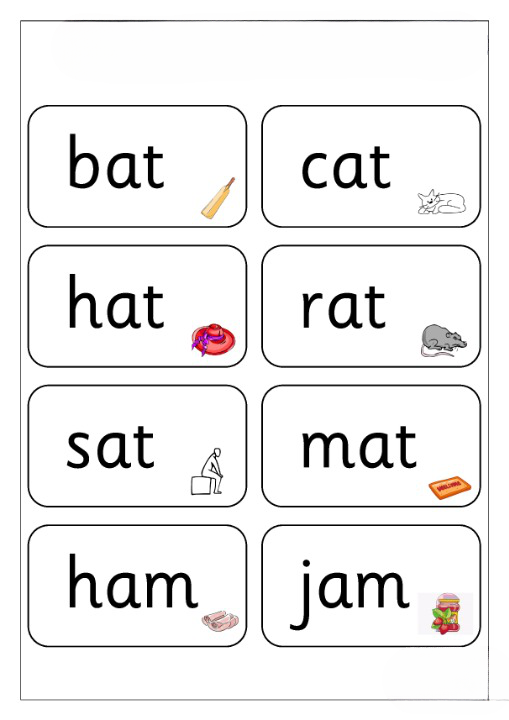
Once your child begins to understand phonetics, you can begin encouraging her to read ‘sight’ words. These are the most common words that appear on almost every page of a book, such as I, my, you, we, am, it, is, at, can, not, go, do, too, a, and the. These are words that you cannot represent in the form of pictures; however, they can be understood. There are 220 sight words in English and your child will need to memorize them. But, learning sight words is not easy and needs effort on your child’s part.
Use flashcards: Write one sight word on each card. Go through these words with your preschooler. Once both of you have finished reading the cards, quiz your child to see what he remembers.
3. Play word games at home or in the car:
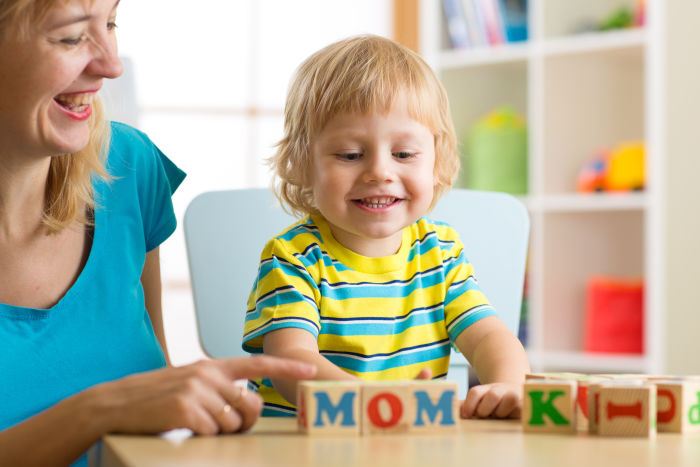
Word games are great because they help children focus on sounds and letters, and develop skills they need for reading, writing, and spelling. By playing word games with our kids, we give them the benefit of our company, as well as demonstrate to them that playing with words is lots of fun. There are also word games that have become board games and toys.
4. Read out loud and together on a daily basis:
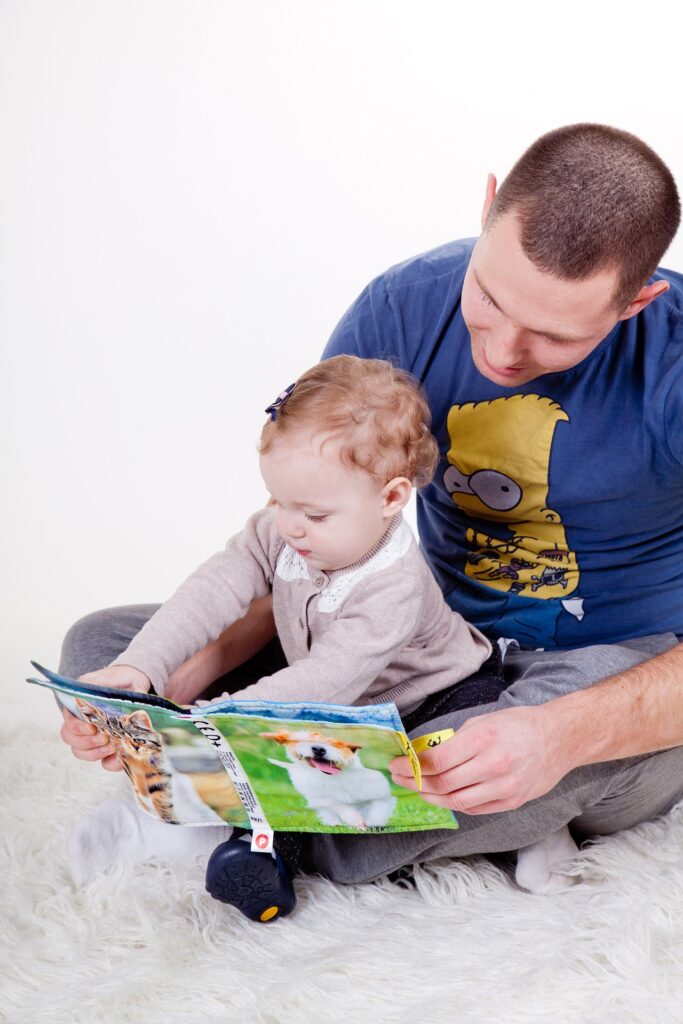
Sharing stories often begins with reading aloud. Reading aloud provides a number of opportunities and benefits for children of all ages, from strengthening their vocabulary to increasing their attention span.
Here are some important benefits of reading aloud with children:
. Reading aloud lets children regularly hear new words in new contexts, which builds their vocabulary
. Children generally enjoy being read to, which encourages them to see and experience reading as something fun and positive. Reading aloud makes them more likely to become interested in learning to read,
. reading or being read to promotes a slower unfolding of events and ideas. This encourages children to listen, pay attention and concentrate
. reading aloud together, stories can help children feel more comfortable discussing their emotions with others.
.Reading aloud with children provides benefits for adults too. The quality time spent together promotes bonding and strengthens relationships.
5. Use Illustrations and big print to showcase words.
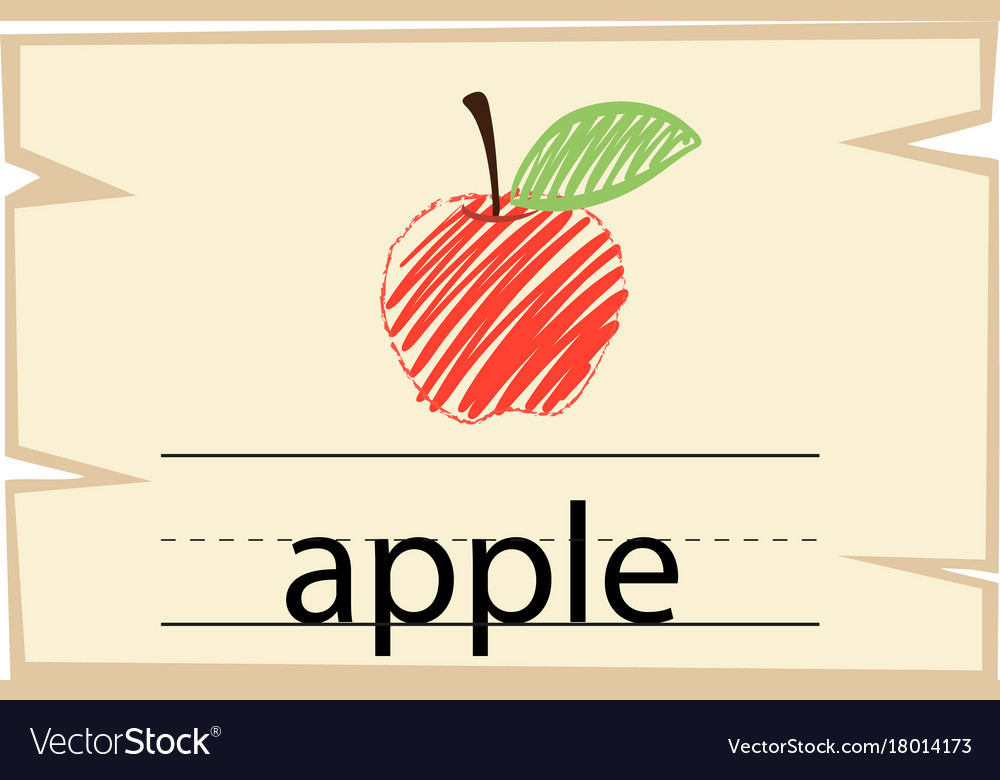
Illustrations and words work together in several ways. Good readers visualize or create mental pictures of what they read about. When reading fiction texts, illustrations can help readers to visualize the people, places, and events in the story. Not only do the illustrations help readers see what the words describe, but they can also help readers understand the words themselves.
LEARNING TO READ IS A JOURNEY:


0 Comments